
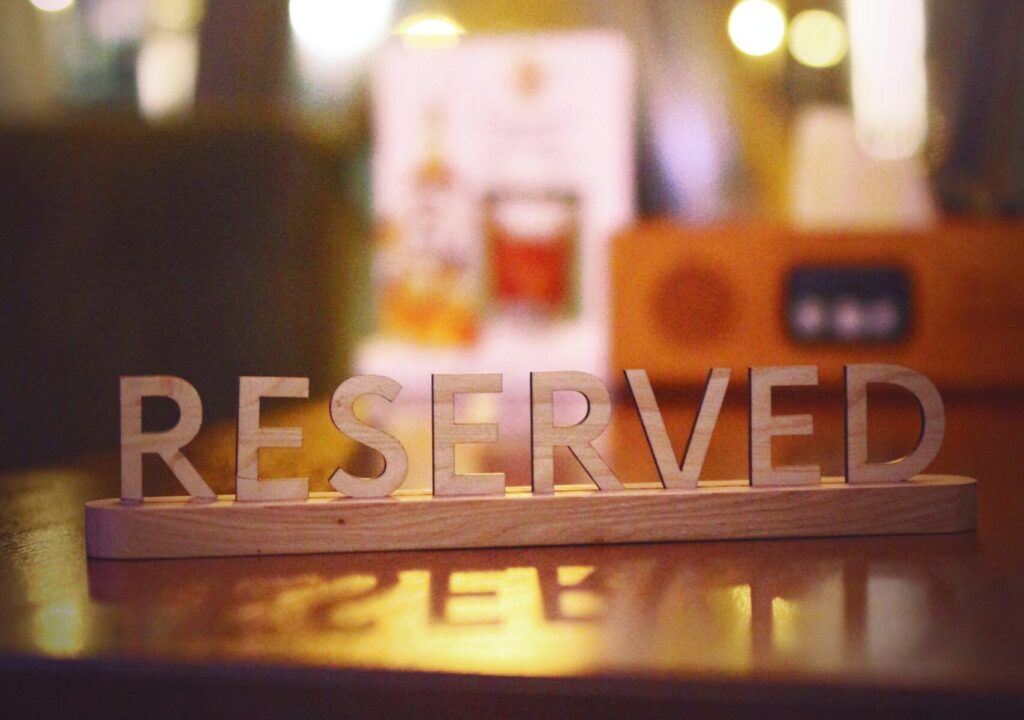
Restaurant reservations have become a higher-stakes commitment for both guests and businesses. Across the Bay Area, cancellation fees are climbing as restaurants respond to late cancellations, shrinking party sizes, and empty tables. Some local restaurants now charge as much as $75 per person when guests cancel within the stated window.
Cancellation fees can provide meaningful protection from the cost of a no-show. Yet the way a restaurant introduces, communicates, and applies its policy has a direct effect on guest trust.
The reservation process is a guest’s first experience of an establishment’s hospitality. Before they experience the dining room, meet a server, or taste a dish, they have already encountered the restaurant through its booking platform, confirmation language, deposit requirements, and cancellation terms. Those details shape expectations.
A policy that feels confusing, aggressive, or hidden in dense language can create frustration before the guest arrives. A surprise charge can turn a future regular into a one-time visitor. Even a fair policy can feel punitive when the communication surrounding it lacks warmth or clarity.
Restaurants should treat reservation language with the same care they give a menu description or welcome at the host stand. The goal is to set a firm boundary while communicating respect for the guest’s time and circumstances.
Guests should know the cancellation terms before confirming a reservation. The policy should clearly state:
- The cancellation deadline
- The fee per guest or per reservation
- Whether the policy also applies to party-size reductions
- How guests can cancel or modify their booking
- Any circumstances in which the restaurant may offer flexibility
Plain language is essential. Guests should never need to search through several screens or decipher complicated terms to understand their financial commitment.
Consider briefly explaining why the policy exists. A sentence such as, “Because we prepare and staff according to each reservation, cancellations within 24 hours may incur a fee,” gives guests useful context. The language remains professional while showing that the policy is tied to real business needs.
This matters because guests are often more receptive to a boundary when they understand the reason behind it.
A smooth reservation system should help guests take action before a fee applies. Confirmation and reminder messages should make it easy to confirm, modify, or cancel the reservation. Include a direct link and provide the deadline in specific terms. “Cancel by 6 p.m. Thursday” is clearer than “24 hours in advance,” particularly for guests managing several plans.
The timing of these messages matters. A reminder sent after the cancellation window closes offers little practical help. Restaurants should review their reservation platform settings and schedule reminders early enough for guests to respond.
For high-value reservations, large parties, tasting menus, or special events, a personal confirmation may be worthwhile. Direct outreach can keep cancellations low without relying on a fee. That approach requires additional time, yet it highlights an important principle: communication can prevent many reservation problems before they become disputes.
A cancellation policy is only as effective as the team applying it. Hosts, managers, and anyone answering the phone should understand the full policy. They should know when a charge applies, how to explain it, what documentation is available, and when a manager should step in. Guests may call while frustrated, embarrassed, or dealing with a genuine emergency. Team members need language that is calm, empathetic, and consistent.
A useful response might be:
“I understand why you’re concerned. We hold the table and prepare based on each confirmed reservation, which is why the cancellation policy applies within that window. Let me review the booking details and see what options are available.”
This acknowledges the guest without immediately making a promise. It also gives the employee time to gather facts.
Training should include several realistic scenarios, such as illness, transportation delays, a reduced party size, a booking mistake, or a guest who says the policy was unclear. Practicing these conversations helps the team respond with confidence rather than defensiveness.
Consistency matters, though consistency does not require rigidity. Restaurants should establish clear guidelines for exceptions. A guest with a documented emergency may deserve a different response from someone who repeatedly fails to arrive. A first-time issue may be handled differently from a pattern attached to the same guest profile.
Possible resolutions include waiving the fee, reducing it, applying the amount toward a future reservation, or issuing a gift card. Some San Francisco restaurants use fee warnings as a deterrent while offering refunds or credits based on the circumstances.
These decisions should follow agreed-upon standards. Otherwise, the outcome may depend too heavily on which manager happens to answer the phone. Give managers a defined level of discretion and document each exception. Over time, that record will reveal whether the policy is working, creating confusion, or being applied too frequently.
A cancellation fee should reflect the restaurant’s format, demand, and financial exposure. A prepaid tasting menu, a small dining room, and a large-party booking each carry different risks. A neighborhood restaurant with frequent walk-in demand may have greater flexibility than a destination concept holding a table for several hours.
The highest possible fee is rarely the automatic answer. The right amount should deter casual no-shows while remaining proportionate to the reservation.
Restaurants should monitor:
- No-show and late-cancellation rates
- Revenue recovered through fees
- Fee disputes and chargebacks
- Guest complaints and review mentions
- Tables successfully rebooked from a waitlist
- Return visits after a fee has been charged
This data gives leadership a clearer picture of whether the policy is protecting revenue or creating a larger relationship cost.
Cancellation fees address a real financial challenge. Bay Area restaurants have been discussing the pressure of reservation cancellations for years, with some charging per-person fees for late cancellations and reduced party sizes.
Still, a fee should remain one part of a broader reservation strategy. Clear language reduces surprises. Well-timed reminders give guests a chance to act. Thoughtful team training prevents tense conversations from escalating. Defined exceptions create fairness. Regular policy reviews keep the fee aligned with the actual needs of the restaurant. The table has financial value. The guest relationship has long-term value. Make sure your policy protects both.