
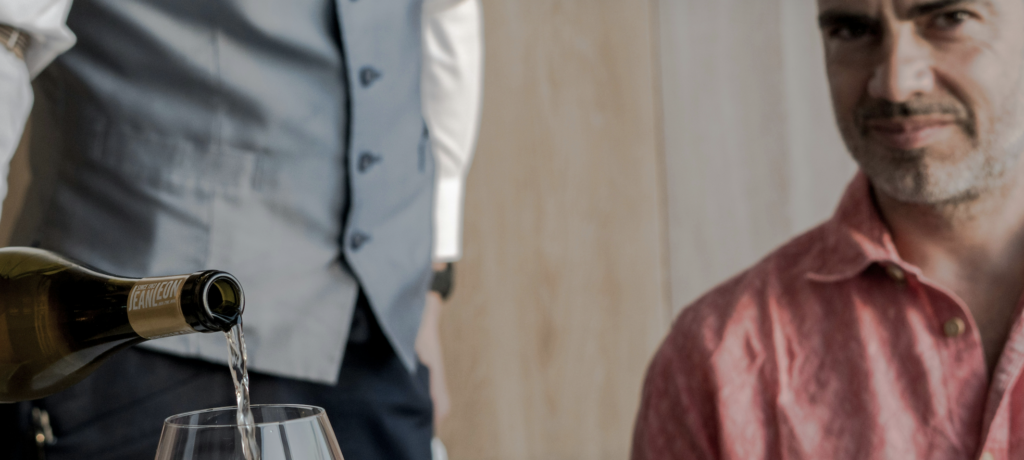
Steps of service matter. They create consistency, accountability, and structure; helping teams stay aligned, and enhancing the guest experience. Yet the best hospitality never feels robotic. Great service relies on standards, but also depends on awareness.
One of the most common service mistakes is over-checking a table at the wrong moments. Almost everyone has experienced it. A server arrives mid-conversation, interrupts while someone is chewing, or checks in again when nothing at the table suggests anything is needed. Service should support the guest experience, not interrupt it.
This is where reading the table becomes essential. Some guests want speed and efficiency. Others are settling in for a slower meal. Some want guidance through the menu and welcome conversation. Others know exactly what they want and prefer space. Excellent service recognizes these differences early and adjusts accordingly.
The first few minutes at a table reveal a lot. Are menus still open, or are guests ready to move forward? Are drinks running low? Is the table leaning into conversation? Has everyone had a chance to taste the food? These visual cues matter. They help a server decide whether the right move is to approach, hold back, or simply remain available. Make sure your team knows which is the right move.
Visual awareness is one of the most underused service skills. A table does not need a verbal interruption every few minutes. Often, a server can gather almost everything they need from one quick scan of body language, drink levels, plate progress, and pacing. That kind of awareness makes service feel the right kind of invisible.
Timing matters just as much. A two-bite checkback still has value, though it works best with a natural opening. Waiting a few extra seconds for a pause in conversation can make all the difference. Choosing the right moment shows professionalism and emotional intelligence. Guests feel cared for without feeling hovered over.
Language matters too. Concise, specific check-ins tend to land better than repetitive, broad questions. “Can I refresh anything for the table?” often feels smoother and more useful than asking how everything is over and over again. Standards provide the structure. Reading the guest provides the finesse. Check out what our clients are saying about our team training program here.