
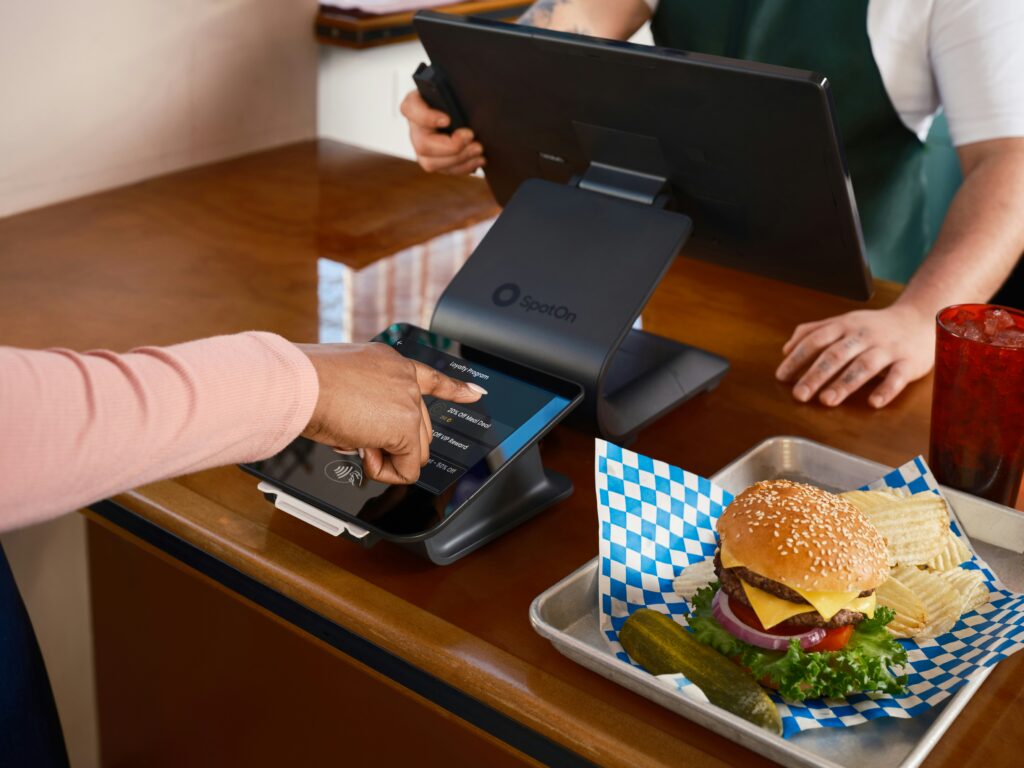
Personalized loyalty programs have become one of the restaurant industry’s most effective tools for building guest relationships. Whether it’s a birthday reward, a welcome offer for new members, or a promotion designed to bring back guests who haven’t visited recently, restaurants increasingly rely on customer data to create targeted experiences that encourage repeat visits.
A proposed California bill, AB 2564, has sparked debate because of how it could affect those practices.
The legislation is aimed at what lawmakers call “surveillance pricing”, the practice of using personal information collected through digital technologies to offer different prices to different consumers. Supporters argue that this type of pricing can lead to unfair outcomes, where consumers are charged more or less based on factors such as their location, browsing history, purchasing behavior, or other personal characteristics. Consumer advocates point to examples in travel, retail, and online commerce where customers have reportedly been shown different prices for the same product based on personal data profiles.
Supporters of AB 2564 argue that consumers deserve transparency and that businesses should not be able to use personal data to secretly influence pricing. Organizations backing the bill maintain that it still allows a wide range of publicly disclosed discounts, including many loyalty and membership programs, while preventing retailers from using personal information to create individualized pricing strategies that consumers may not even realize are occurring.
Restaurant operators and business groups, however, have raised concerns about how broadly the legislation is written. While the bill includes exemptions for loyalty programs and publicly disclosed discounts, opponents argue that it could restrict many of the personalized offers that have become common in modern marketing. For example, restaurants often send targeted promotions to lapsed guests, offer customized incentives based on purchasing history, or provide offers designed to encourage specific customer behaviors. Critics contend that if discounts must be broadly available to all qualifying consumers, restaurants could lose the flexibility that makes these programs effective.
The practical implications for restaurants remain uncertain. What is clear is that guest data, personalized marketing, and customer privacy are becoming increasingly important issues for restaurants of every size.
Restaurants should take this opportunity to review how their loyalty programs collect information, communicate value to guests, and deliver rewards. As consumer expectations and privacy regulations continue to evolve, transparency and trust are likely to become just as important as the discounts themselves.