
A Conversation With EyeSpy Marketing Director Nisha Maxwell
For nearly nine years, Nisha Maxwell has guided our clients and us in marketing efforts. In our conversation, she shares how she approaches brand development, why visuals matter, and how operators can think more creatively about community, communication, and the nonstop content cycle.
Where To Start
Even in a landscape where digital platforms multiply by the month, Nisha keeps returning to the fundamentals. Your brand begins with your food. Before you think about typography or channel strategy, take a step back and consider the experience you want people to have when they dine with you. Are you creating a casual, friendly neighborhood spot or something more polished with a European sensibility? If your food was a celebrity, who would it be? What about if it was a dance? A film? A novel? The more you can hone in on the personality of your food, the easier it will be to craft a brand voice and aesthetic, which will translate to your copy, visuals and interior design choices. A solid brand makes all the other decisions fall into place much more easily than they do otherwise.
Nisha often asks clients to start with a mood board. It does not need to be food-focused. Textures, velvet, brass, famous figures, architecture, or landscapes all help capture the emotional tone of a restaurant. The more visual material you gather, the more direction a branding expert can take from it. Those images guide choices in typography, color, and storytelling.
Once the atmosphere and menu philosophy are clear, identify your customer. Who are you already talking to? Who do you want to be talking to in the future?
From there, a branding specialist can build a suite of assets. Logos, secondary marks, colors, and guidelines create the visual system that carries across every touchpoint. Nisha advises restaurants to stick to a clear color hierarchy. Choose your main colors and your accents. When you avoid visual chaos, your brand begins to take shape in a way guests remember.
Most restaurants need the basics: Instagram, Facebook, Yelp, and Google. Beyond that, match your channels to your demographic.
Local marketing remains one of the most powerful levers. Your reviews matter. Your community presence matters. Press matters, too. Choose outlets that speak to your intended audience. If your guests read a specific publication, that publication becomes part of your strategy.
And once you start gathering customer information, direct it toward a newsletter. Weekly or biweekly communication keeps your audience aware of promotions, events, and seasonal shifts. Every announcement should also live on social.
The Power Of Your Local Network
Nisha is a strong advocate for local collaboration. When restaurants connect with chambers of commerce, neighboring businesses, or city events, awareness compounds. You get shared by others. You become part of the local story. She recommends sitting down quarterly to brainstorm. Who can you collaborate with? Who would surprise your audience? What would be interesting to highlight in your newsletter or pitch to press? Maybe a gym in January to highlight your food’s health focus. Or maybe a local theater while a relevant movie is playing near you. One hour of idea generation can shape the months ahead.
How To Stand Out
With so much noise online, the goal is to stand out, especially with your newsletter. If you have something to give away, she advises leading with it. A free glass of champagne for Mother’s Day will outperform a generic seasonal subject line every time. Avoid predictable language tied to the calendar. If everyone is talking about fall vibes, find something to layer on top of or riff the trend.
People are visual, which means your layout should lean toward imagery more than text. A subscription to a high-quality stock photo library can elevate your work quickly. Nisha follows a simple rule: give three things and ask for one. Offer beauty, information, or inspiration, then ask for a click or a reservation.
How To Plan Content
The further out you can plan your marketing, the easier it will be to keep things exciting because you won’t get stuck in communicating the basics or getting repetitive. To keep messaging fresh, she works with content buckets and makes sure to space them out from each other. Each bucket represents a theme or angle, which prevents repetition and keeps the audience engaged from different entry points. This is how you get a nice content mix.
How To Measure Success
Many operators ask whether social media or PR have real value. Nisha encourages viewing them through the lens of the sales funnel. Websites and newsletters sit at the bottom, where results are measurable. Social and PR live at the top. They are harder to quantify, yet essential for visibility.
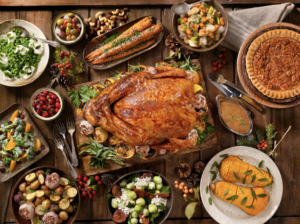
Even so, analytics matter. Pay attention to reach, engagement, and growth. Most importantly, invest in photography. Quarterly shoots give you a library of strong assets. Lighting should be perfect. Food should look its best. Video matters too. The more content you have, the less repetitive your channels become and the fewer unfollows you’ll see. Food photography remains one of the most powerful tools you can give your marketing team.
Creativity Is Still the Heart of It
For Nisha, marketing comes down to creativity. Seasonality offers constant inspiration, but the goal is to interpret it in a way that feels new. Social trends come and go, yet restaurateurs who stay curious and playful find ways to stand out.
Her advice is simple: think ahead, think visually, think collaboratively, and build systems that keep your momentum up.
If you need help with your marketing strategy or implementation, we can’t recommend working with Nisha enough. Let us know, and we will connect you with [email protected].
Watch The Full Interview Here