
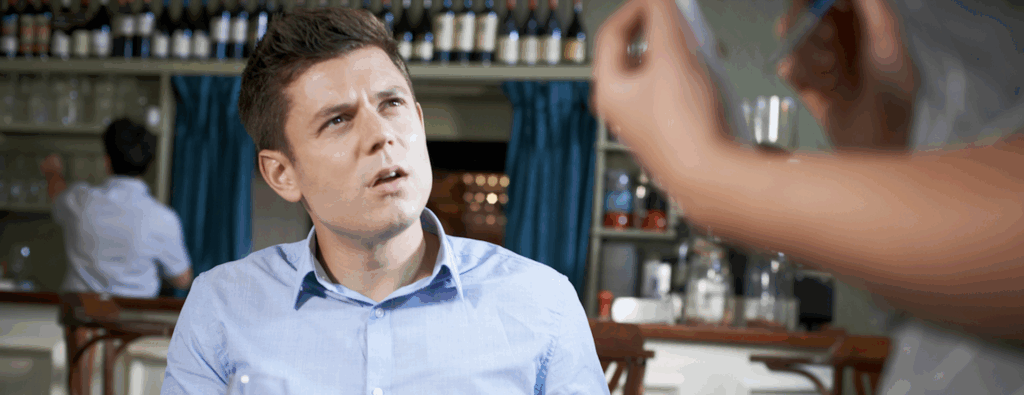
Every restaurant will face difficult guests. Whether someone is upset about a long wait or unhappy with a dish, your team’s response can either diffuse the situation or make it worse. These interactions are high stakes. They affect other guests, impact team morale, and leave a lasting impression. How you handle them speaks volumes about your brand.
Stay Calm and Keep It Professional
When a guest becomes upset, the goal is to stay calm. Take a breath before responding. Keep your tone steady and your posture open. Reacting emotionally can shift focus away from the issue and put your team on the defensive. A calm presence signals control and care.
Listen First
Let the guest speak without interruption. Most people want to feel heard. Allowing them to explain their concern without cutting in shows respect. After they’ve finished, restate the issue to confirm your understanding. This step alone can calm the conversation and show that you’re paying attention.
Apologize Sincerely and Respond Clearly
Offer a genuine apology for their experience. Avoid empty phrases or defensive explanations. Focus on what you can do to fix the problem. Offer clear solutions that reflect your restaurant’s standards. A replacement dish, a comped item, or an offer to return can turn a negative into a recovery moment.
Know Where the Line Is
There’s a difference between a difficult guest and an abusive one. If someone is using aggressive language or making others uncomfortable, the priority is safety. Managers should have a plan in place to remove guests who behave inappropriately. Your team needs to know they will be supported in these situations.
Support the Team Publicly, Coach Privately
If a guest lashes out at a team member, managers should step in immediately. Take over the conversation and shift focus. Later, check in with the employee privately. Acknowledge their handling of the situation and talk through what they might do differently next time. This builds confidence and accountability.
Check In With Other Guests
After a public incident, don’t forget the guests nearby. A quick thank you for their patience or a complimentary dessert can go a long way. These guests are watching how you handle pressure. Make it clear that your team stays composed and attentive under stress.
Make It a Learning Moment
Talk through the situation after the shift. What happened? What worked? What would you change? These conversations help build team confidence and keep service consistent. Over time, your team gets better at handling the unexpected with grace.
Every tough interaction is a chance to strengthen your reputation. If your team can stay calm, offer solutions, and respond with empathy, your guests will remember the effort. If you want help training your team in guest recovery and service leadership, EyeSpy can work with you to build lasting systems that protect your brand every day.