During the pandemic, meal kits gave guests a way to bring restaurant-quality meals home when dining rooms were closed. But in 2025, guest habits have shifted again. The question is whether meal kits still fit the holiday season or if ready-made holiday specials deliver more value for both your guests and your team. Here is how to decide what makes sense for your restaurant this year.
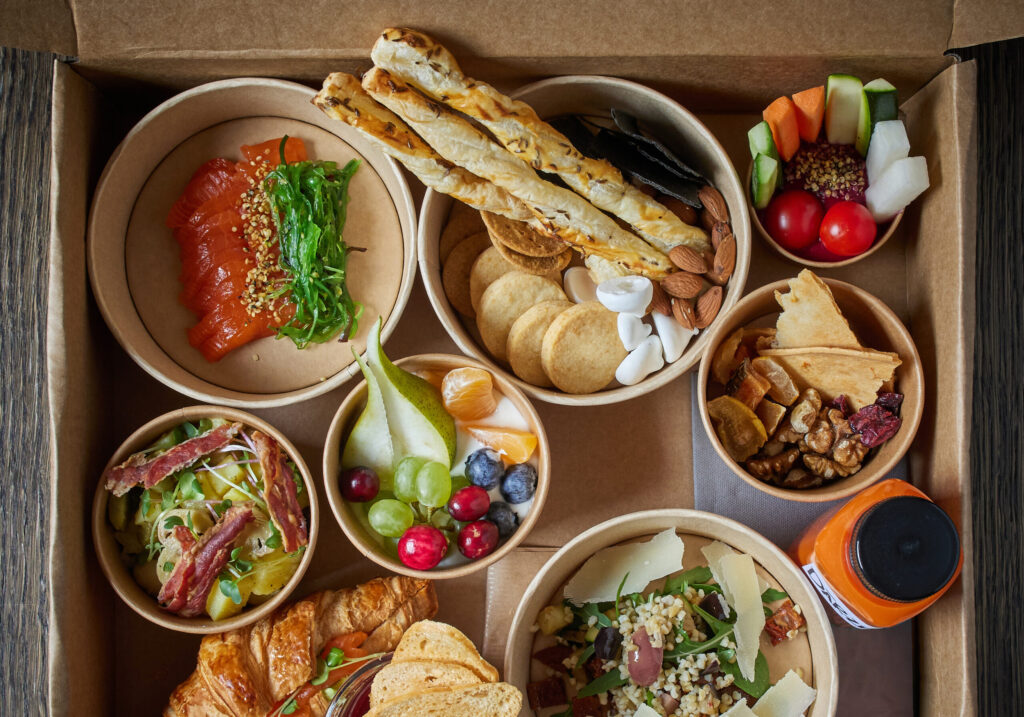
Your decision begins with how your guests live now, not how they lived in 2020. Are they still cooking at home often, or are they dining out again? Are they seeking ease or experience? Meal kits work best for hands-on guests who enjoy assembling and customizing. Ready-made specials win with those who want celebration without effort. Review your recent catering, takeout, and pre-order data. If you are seeing more last-minute or convenience-driven orders, ready-made is likely the stronger play.
Meal kits require precise packaging, labeling, and customer instructions. Specials need streamlined prep and reheating guidelines. If your team is already stretched thin, a fully prepared holiday special keeps production simpler and guest satisfaction higher. Ask your kitchen leadership one key question: where can we maintain quality with the least operational drag? The answer usually points to the right option.
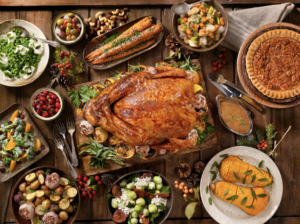
Guests buy with their eyes first. A ready-made holiday special arrives polished, photo-worthy, and immediately ready to enjoy. A meal kit, by contrast, relies on the guest to complete the experience. In 2020 that was the appeal. In 2025, many guests are back to wanting the finished product. They want your expertise, not your recipe.
Meal kits often carry higher packaging costs and tighter margins because they rely on volume and novelty. Ready-made specials tend to have stronger perceived value and lower waste. If you are planning limited holiday runs, fully prepared specials create clearer pricing, faster turns, and a smoother pickup experience.
How you frame the option matters. A meal kit is positioned as “interactive.” A ready-made special is “stress-free.” Both can be premium if presented with intention. For 2025, messaging around ease, tradition, and limited availability will likely resonate more than “do it yourself.” Guests are not looking to recreate restaurant dining anymore. They want to reclaim their time and still eat beautifully.
If your guests are experience-driven, your staff has prep bandwidth, and your brand thrives on creativity, a small run of meal kits can still have charm. If your guests are convenience-driven, your team is stretched, and your goal is consistent quality, holiday specials are your win.
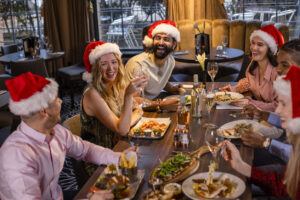
Meal kits served a purpose during a time when connection came in a box. Today, connection happens across tables again. Ready-made holiday specials meet guests where they are now: busy, social, and ready to enjoy your food exactly as you intend it.