
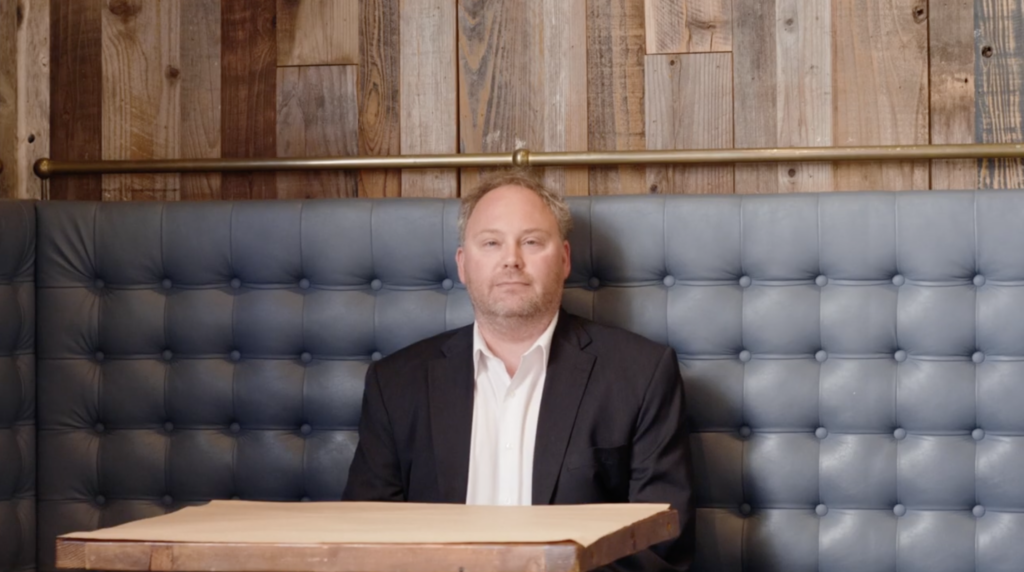
When it comes to finding the right space for a restaurant, few decisions matter more than the lease. To help demystify the process, we sat down with Steve Maxson of Synergy Real Estate Group Corporate Advisory, a tenant representation broker with two decades of experience and nearly a decade focused specifically on restaurants. His perspective is that the earlier you bring in expert support, the better your chances of securing a space that fits your concept and your long-term goals is.
Most restaurant owners meet two types of brokers: listing brokers who represent landlords and, on occasion, tenant rep brokers who represent the restaurateur. Maxson prefers to be involved from the beginning. As he explained, “I’d like to be engaged with you from the very beginning as soon as you start thinking about going on market to find space.” Early engagement helps shape the search, match the concept to the right location, and most importantly avoid costly missteps.
One of the first decisions owners face is whether to pursue an asset purchase or a direct lease. An asset purchase means paying the current tenant, often for equipment or the right to assume their lease. A direct lease means securing a space without needing the previous operator. The right route depends on size, location, and concept. As Maxson noted, in tight Bay Area markets, “you’re probably going to run into an asset situation rather than a direct lease.”
A rushed search limits opportunity and leverage. Maxson said the biggest challenge he sees is time pressure: “If you have a very tight timeline… it might not be the best possible result for you because of that constraint.” Starting early allows more room to understand the market, analyze what’s available, and negotiate for better terms.
In today’s market, landlords are more selective than ever. They evaluate experience, financial stability, and the uniqueness of the concept. A compelling tenant can unlock better terms. As Maxson put it, landlords often offer stronger deals to operators with “a really interesting concept… or that concept fits very well within their center.”
This is where preparation becomes essential. One of Maxson’s biggest pieces of advice is simple but often overlooked: create a polished, thoughtful concept deck. It should clearly explain your restaurant’s identity, menu, team, and financial picture. He said, “If you can’t articulate it to the landlord in a very nice and stylish way… many landlords will not take you as seriously.”
Alongside the deck, a detailed personal financial statement helps landlords understand stability. Maxson encourages full transparency: withholding information usually backfires and can lead landlords to request higher deposits.
Every lease negotiation is unique. Terms shift based on whether you’re taking over a short remaining lease, signing a new long-term one, or working with an institutional landlord. Incentives like free rent or tenant improvement (TI) allowances vary widely.
Percentage rent (where the landlord earns a percentage of gross sales over a certain breakpoint) can also be used strategically. Maxson shared an example where he and a client turned the landlord’s assumptions to their advantage: “We effectively brought that base rent down… and they never hit that break point.” Understanding how base rent, TIs, free rent, and percentage rent interact helps shape a more favorable deal.
Lease negotiations are never one-size-fits-all. Markets shift, landlords differ, and concepts evolve. But strong preparation, early planning, and expert representation make a measurable difference.
Maxson offered one final reminder: “Every lease negotiation is different. There isn’t one way to do everything.” For restaurateurs, that means staying flexible, thinking strategically, and approaching leasing with the same creativity and rigor that goes into building a great hospitality experience.
Watch the full interview here.