
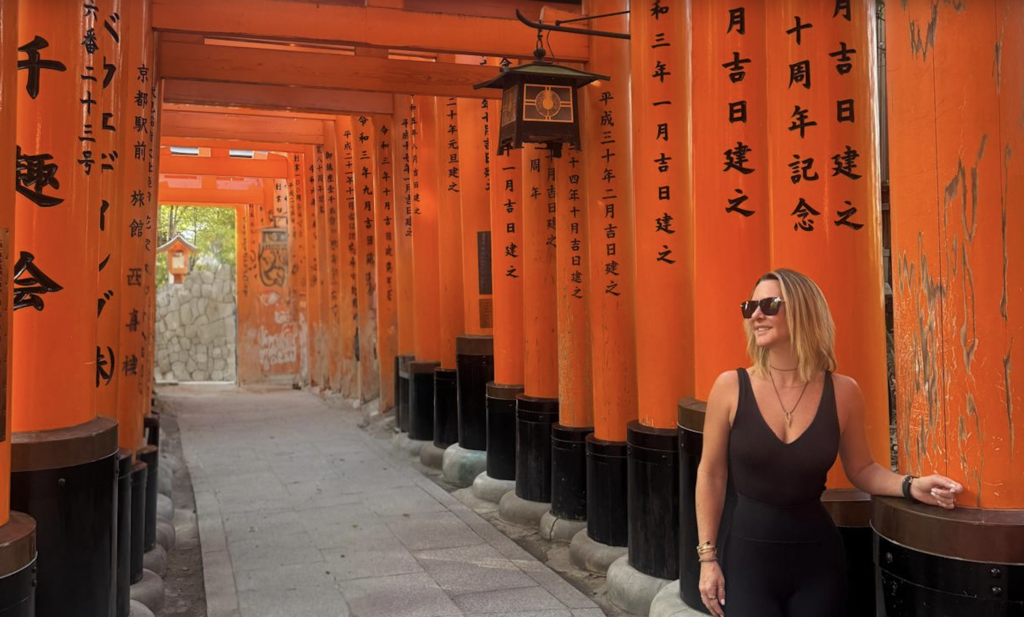
Notes from CEO Mistie’s recent trip to the land where hospitality is a craft
Have you ever wondered why chefs yell “Irasshaimase!” when you walk into a sushi restaurant? It means Welcome! and it is based in the Japanese art of Omotenashi.
Omotenashi is the Japanese art of selfless hospitality. It’s a mindset of anticipating unspoken needs. In a restaurant setting, each person takes ownership of their role and of the guest’s experience within it. Service is delivered with focus and pride. Recognition is not the goal, doing the job well is. Hospitality is treated like a craft.
Omotenashi removes friction by design. You are not asked how you are doing every five minutes. You are not sold to. You are not interrupted. Instead, small actions happen quietly and at the right time. A seat is prepared. A towel is offered. A glass is refilled. The experience feels calm because it is controlled and deeply considered.
That mindset shows up in details that make the experience feel effortless. A basket appears under the chair without a word for your bag. A hand wipe arrives before the menu. Warm in winter. Cool in summer. Water refills happen seamlessly. Empty plates disappear without disruption. Needs are met before they’re voiced, which somehow makes everything feel calmer and more luxurious.
Cleanliness is another non-negotiable pillar of the experience. You never see staff standing around idle. If they’re not serving, they’re cleaning. Sweeping the sidewalk in front of the restaurant. Wiping counters between guests. Tidying corners you didn’t even notice. The dining room, restrooms, and even the street outside feel cared for. Trash is nearly nonexistent, and that constant attention to cleanliness signals respect for the space, the food, and the people walking through the door.
In the U.S., service often operates under pressure. Bigger sections. Faster turns. Higher volume. In Japan, the experience is the focus. Every role matters. Every person owns the guest’s moment. Even in busy restaurants, there is rhythm instead of rush. The service feels elevated without stiffness. It feels warm without overfamiliarity. Everything is intentional and composed.
The design of restaurants reinforces that philosophy. Spaces are often small, yet every inch has purpose. Counters are positioned to honor the chef. Lighting is soft and deliberate. Materials like wood, stone, and paper add warmth without excess. Design works alongside hospitality to remove friction, slow the pace, and keep the focus on the food.
My takeaway from this recent trip for restaurant owners and managers is this: Hospitality does not need to shout. It needs consistency. It needs care in the small things. It starts with how the space is treated and how the team is trained to notice what guests need before they ask.
Japan doesn’t shout about hospitality; it whispers it, consistently and flawlessly. The small details, the obsessive cleanliness, the quiet care. Once you experience it, it’s hard not to wish more places back home would take notes… starting with the broom out front and the basket under your chair.
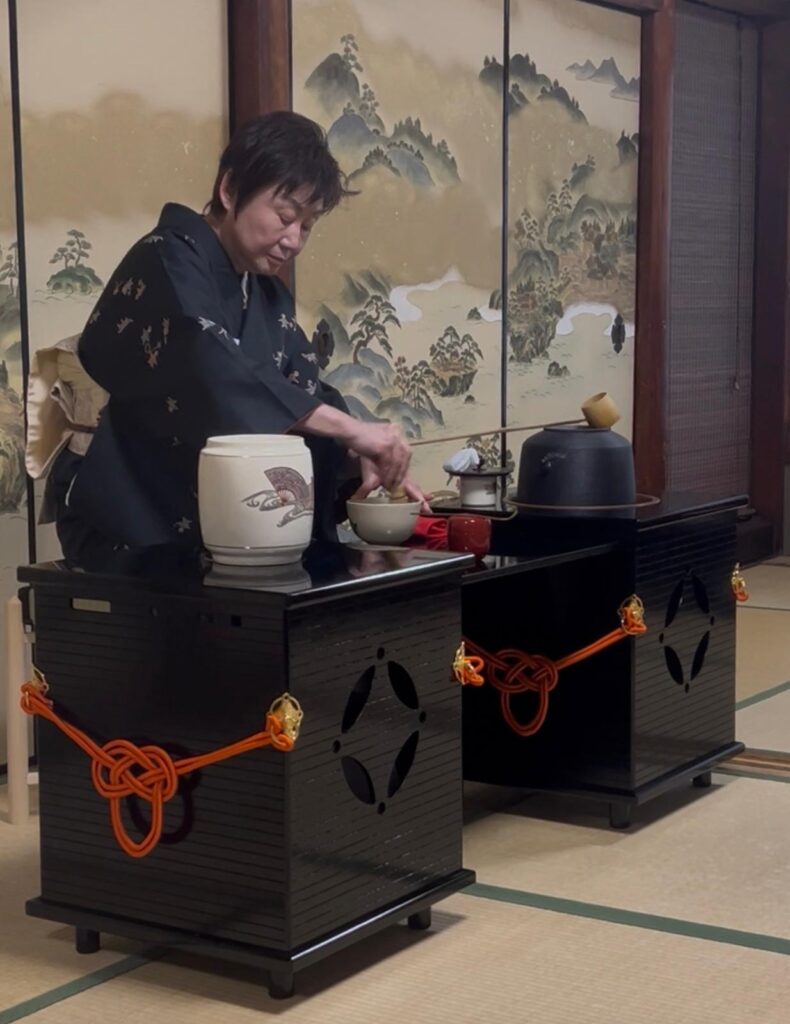
Pictured here: A traditional Japanese tea ceremony