The restaurant industry has spent years trying to predict what will bring guests back through the door. While inflation, labor challenges, and shifting consumer habits continue to shape the landscape, guests are being far more selective about where they spend their dining dollars. Three things that will get them out their door and through yours are protein rich dishes, allergy sensitive menu options and excellent ambiance.
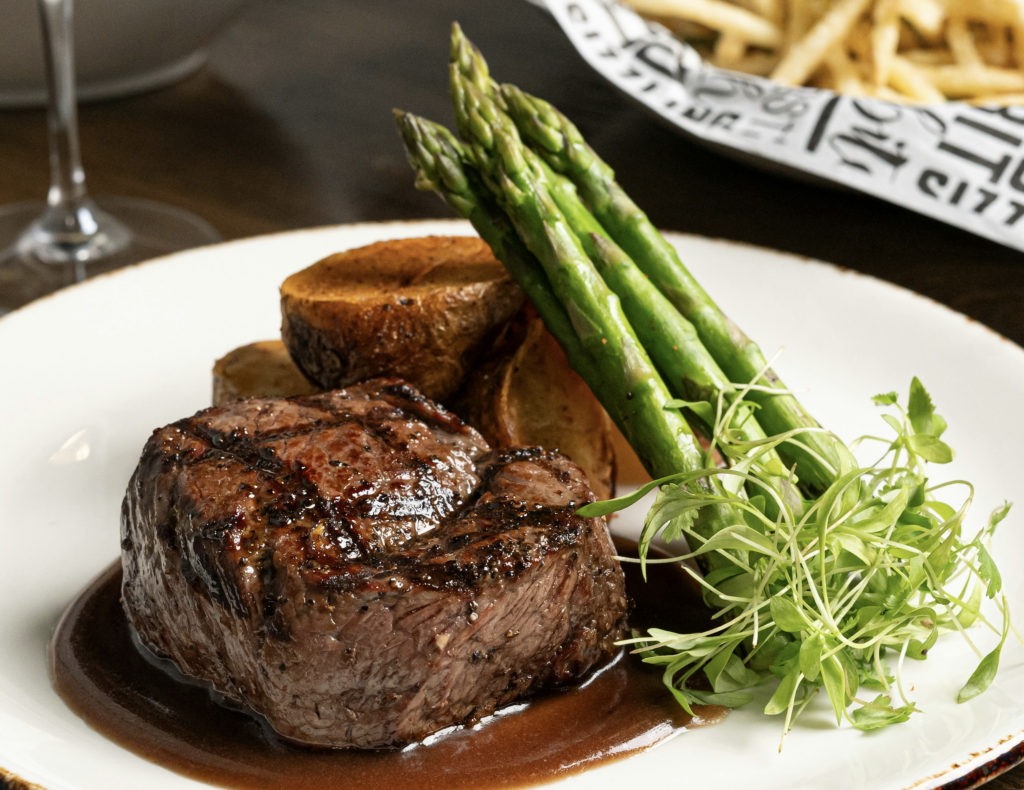
Protein-forward menus are attracting a lot of attention. Diners increasingly view protein-rich meals as worth paying for, even when cutting back on dining frequency. To cater to this, design your dishes around the protein instead of adding protein to an otherwise complete dish. So, instead of a Caesar salad with optional chicken, offer a chicken breast dish with optional Caesar dressing on a bed of romaine lettuce.
At the same time, allergy awareness has become a major factor in dining decisions. Guests with food sensitivities, allergies, or specific dietary requirements often become fiercely loyal to restaurants that make them feel safe and accommodated. Clear menu communication, knowledgeable staff, and thoughtful kitchen procedures are now competitive advantages.
Restaurants that excel with allergy-sensitive guests go far beyond offering a gluten-free or dairy-free option. They create systems that build trust. Clear allergen icons, ingredient transparency, dedicated allergy protocols, and well-trained staff reduce risk while making guests feel welcome rather than burdensome. Your team should have an established process for handling allergy requests in place, including kitchen communication procedures, cross-contact prevention measures, and manager involvement when necessary. Digital allergen guides, QR-code ingredient lists, and menu notations are becoming increasingly common, and California’s new allergen disclosure requirements suggest greater transparency will likely become the industry standard. Because diners with allergies often choose restaurants for entire groups, creating a reputation for safety and accommodation can influence far more guests than the individual with the dietary restriction.
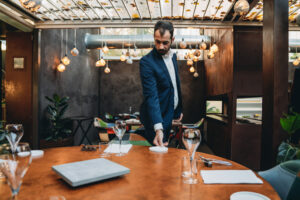
Last but not least, make sure your establishment has a transportive ambiance. When consumers decide to dine out, they’re paying for how the space makes them feel. Restaurants that invest in atmosphere can conquer the home cooking revolution. Focus on comfortable seating, thoughtful music, inviting patios, attractive lighting, and attentive hospitality. And we know you’ve heard it before but really think about Instagrammable spaces.
Something as simple as adjusting patio lighting can change the entire perception of a dining experience. Every detail contributes to a guest’s emotional response, from the first impression at the door to the final moments of the meal.
As dining habits continue to evolve, restaurants that focus on protein-rich menu offerings, thoughtful accommodation of dietary needs, and memorable guest experiences will be best positioned to capture demand.