
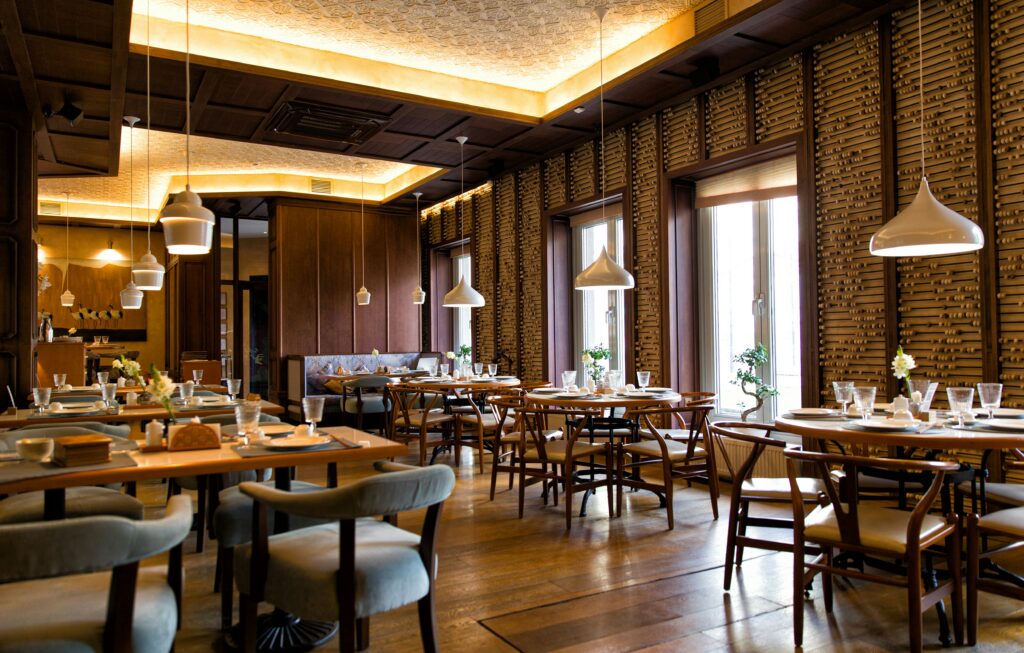
Remodel conversations usually start the same way: the dining room feels tired, comps are creeping, a competitor opens with a shiny bar and a neon sign that pops on Instagram, and suddenly the room becomes the villain. The problem is that a remodel is one of the most emotional decisions in restaurant operations, and emotion loves lagging indicators. Things like sales declines, margin compression, and a general feeling that “the place looks dated” are real signals, but also slow ones. So by the time you get that message it might already be too late to act.
Predictive analytics reverses this decision-making sequence. Restaurant Technology News recently highlighted how more and more are turning to predictive models to guide remodel and closure decisions by combining POS performance, trade-area signals, digital engagement, channel mix, and guest sentiment, then flagging locations for review before the P&L takes a hit. The key objective is to use data to force the right decision earlier, with fewer opinions and more proof.
Looking at traffic is the obvious place to start, but traffic quality is what actually matters. Look at meaningful early indicators like frequency among your best guests, loyalty lapse rate, and daypart weakness that spreads over time. If delivery dependence keeps rising, pickup volume grows but conversion drops, or quote-time accuracy slips, you may be staring at a guest experience problem that a redesign of flow, pickup zones, or tech integration could actually fix.
Guest perception provides another early signal, but it needs structure so don’t just rely on reading reviews. Track review volume, sentiment direction, and repeat themes that map to layout and throughput like speed-of-service mentions, hospitality mentions, cleanliness mentions, noise, lighting, and pickup chaos. A predictive approach increasingly folds sentiment and demand signals together because perception often shifts before revenue fully follows.
Then layer in operational friction metrics that a remodel can impact like ticket times by station, expo bottlenecks, kitchen-to-table flow, labor minutes per cover, and whether your space can support the modern mix of dine-in plus digital without degrading either. Modernization decisions should be closely tied to actual tech readiness and efficiency gains.
Finally, keep an eye on people signals. Manager turnover, training hours, callouts, and schedule volatility frequently spike when the building fights the team. Staff may not say, “We need a remodel,” but they will show you through churn and inconsistency.
Now the Instagram question: does your restaurant need to be Instagrammable, and is it worth it? The trend is real. Guests notice design, shareable moments drive awareness, and visual identity can help a brand travel online. The mistake is chasing “pretty” without tying it to performance. The better test is asking the practical question about how any proposed changes will impact increased visits, repeat visits, check average, or throughput, while also creating a room guests want to photograph. Sometimes the same decision delivers both. Sometimes it’s just expensive wallpaper.
This is where creating a granular early-warning dashboard can come in. Keep it tight to capture a brutally readable snapshot of location performance. One view should show demand health (traffic quality, frequency, daypart shifts), channel health (off-premise penetration, conversion, quote-time accuracy), check health (mix and discount intensity), experience health (sentiment direction and themes), and operational health (throughput constraints and labor efficiency). This will help spot pattern changes quickly and trigger a prompt and detailed review.
The most accurate forecast in the world still needs leaders who can execute changes, protect standards, and translate insight into a new vision for the space. Predictive analytics helps you move from “I feel like we need a refresh” to “Here’s what’s changing, here’s why it’s changing, and here’s the ROI case for acting now.” This is where EyeSpy can fit in. We help leaders parse the signal from the noise to get ahead of tough decisions and keep the operation steady enough that a remodel becomes a strategic lever rather than an expensive act of last-ditch desperation.