
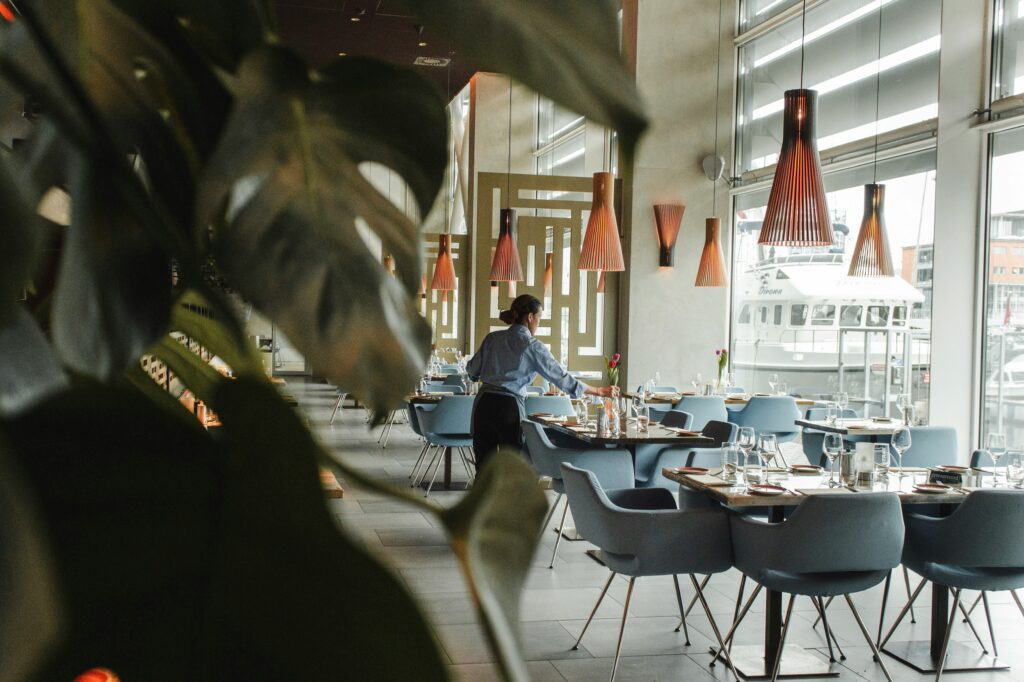
Every restaurant has that server who consistently drives the highest check averages, and never misses an upsell opportunity. Their sales numbers look impressive on paper, and management celebrates their performance at monthly meetings. But walk through their section during a busy Saturday night, and you might notice something telling: their teammates avoid eye contact, support staff seem tense, and there’s an unmistakable undercurrent of stress that guests can feel even if they can’t quite identify it.
A strong sales number can hide a lot. While revenue generation matters, it doesn’t tell the complete story of an employee’s value to your operation. Someone can excel at moving product while simultaneously undermining the culture that makes for great hospitality. The question every operator should ask in addition to “Can this person sell?” is “Is this person making the team stronger?”
Traditional restaurant metrics focus heavily on individual output: covers per hour, average check size, wine sales, and upsell percentages. These numbers are easy to track and compare, making them appealing for performance evaluations and compensation decisions. However, they measure only what one person accomplishes, not how they accomplish it or what impact they have on everyone around them.
Consider two servers with identical sales numbers. The first consistently hits targets by monopolizing the best tables, withholding information from teammates, and creating competitive tension that fragments the team. The second achieves the same results while sharing knowledge, supporting struggling colleagues, and contributing to an environment where everyone performs better. Their sales metrics might be identical, but their actual value to the operation is dramatically different.
The hospitality industry’s focus on individual sales metrics often misses the collaborative nature of exceptional service. Great restaurants operate as orchestrated teams where every role supports the guest experience. When one high performer disrupts that collaboration, the entire operation suffers, even if their personal numbers remain strong.
Toxic high performers create a particularly challenging management problem because their obvious contributions make it easy to overlook their negative impact. They generate revenue, hit targets, and often receive praise from leadership, which can make other team members feel that problematic behavior is not only tolerated but rewarded.
This dynamic creates a cascading effect throughout the organization. Good employees who value collaboration and positive workplace culture begin to question their place in an environment that seems to prioritize results over character. They become disengaged, perform below their potential, or eventually leave for operations that better align with their values.
The financial cost extends beyond turnover. When talented employees leave because of one toxic high performer, you lose institutional knowledge, training investments, and the team chemistry that drives exceptional service. Replacing good employees is expensive, but rebuilding damaged culture takes even longer and costs more in lost productivity and guest satisfaction.
Toxic high performers also model behavior that other employees may adopt to compete. If aggressive tactics or selfish behavior seems to drive success, team members might abandon collaborative approaches in favor of individual advancement. This transforms a supportive culture into a competitive environment where everyone suffers.
Culture-positive employees reveal themselves through their actions during the most challenging moments of service. They’re the ones who step in when a colleague gets overwhelmed during a rush, share useful information about guest preferences, and maintain composure under pressure in ways that keep the entire team steady.
During a busy Friday night, you’ll find them running food for other servers without being asked, communicating clearly about table needs, and solving problems before they escalate to management. They treat support staff with respect, acknowledge good work from teammates, and maintain the energy that makes difficult shifts manageable.
These employees also protect the guest experience even when it’s not directly their responsibility. They notice when another server’s table has been waiting too long and discreetly address the situation. They’re aware of the mood in their section and adjust their approach accordingly. They understand that every guest interaction reflects on the entire restaurant, not just their individual performance.
Perhaps most importantly, culture-positive employees create psychological safety for their teammates. They’re approachable when colleagues need help, and honest about their own mistakes.
Guests possess an almost supernatural ability to sense dysfunction within restaurant teams, even when staff members think they’re hiding it effectively. Tension between employees creates an undercurrent of stress that permeates the dining room and affects the overall experience in ways that guests might not consciously recognize but definitely feel.
We recommend measuring your team based on collaboration as well as performance and letting go of toxic high performers for the good of your whole culture, even though it is always a hard decision.